AI Judge Architecture
How Pre-Round Rubric Exposure Breaks AI Judge Architectures That Were Never Designed for It
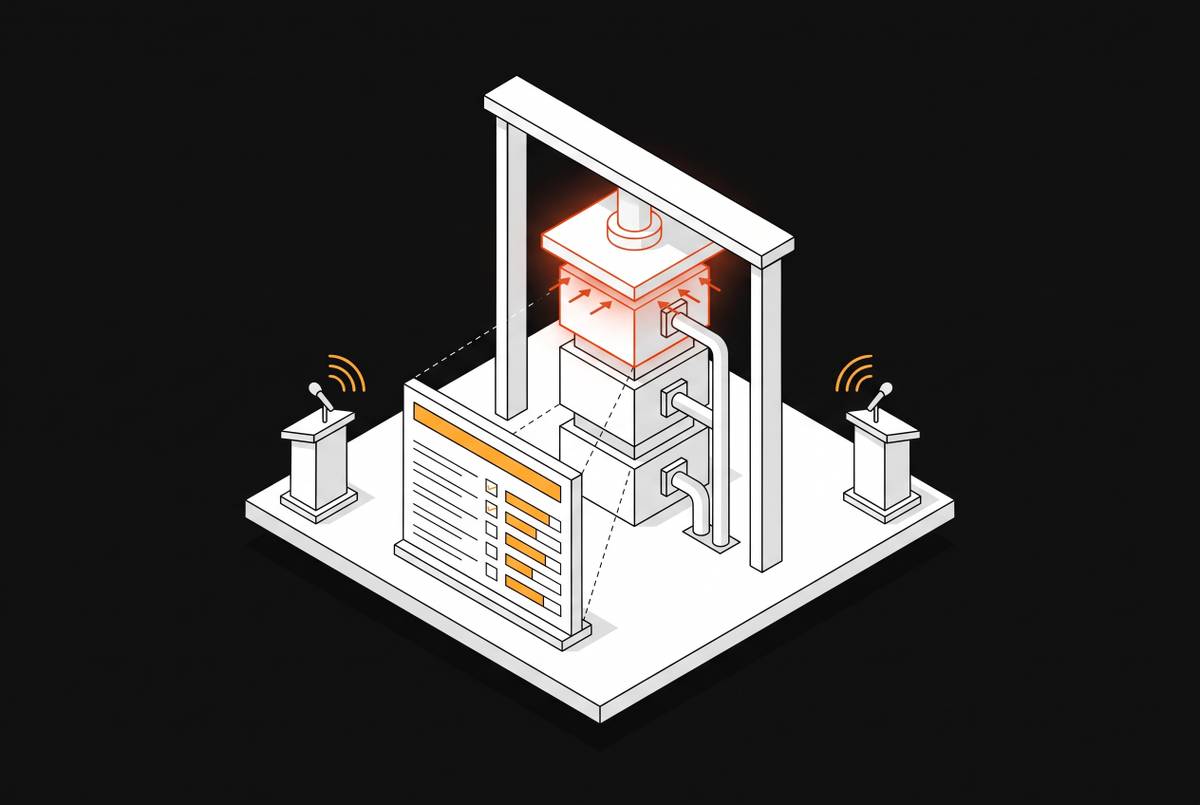
AI judges optimized for secrecy fail when debaters study the rubric beforehand.
Rebuttal Statement Editors
· 8 min read
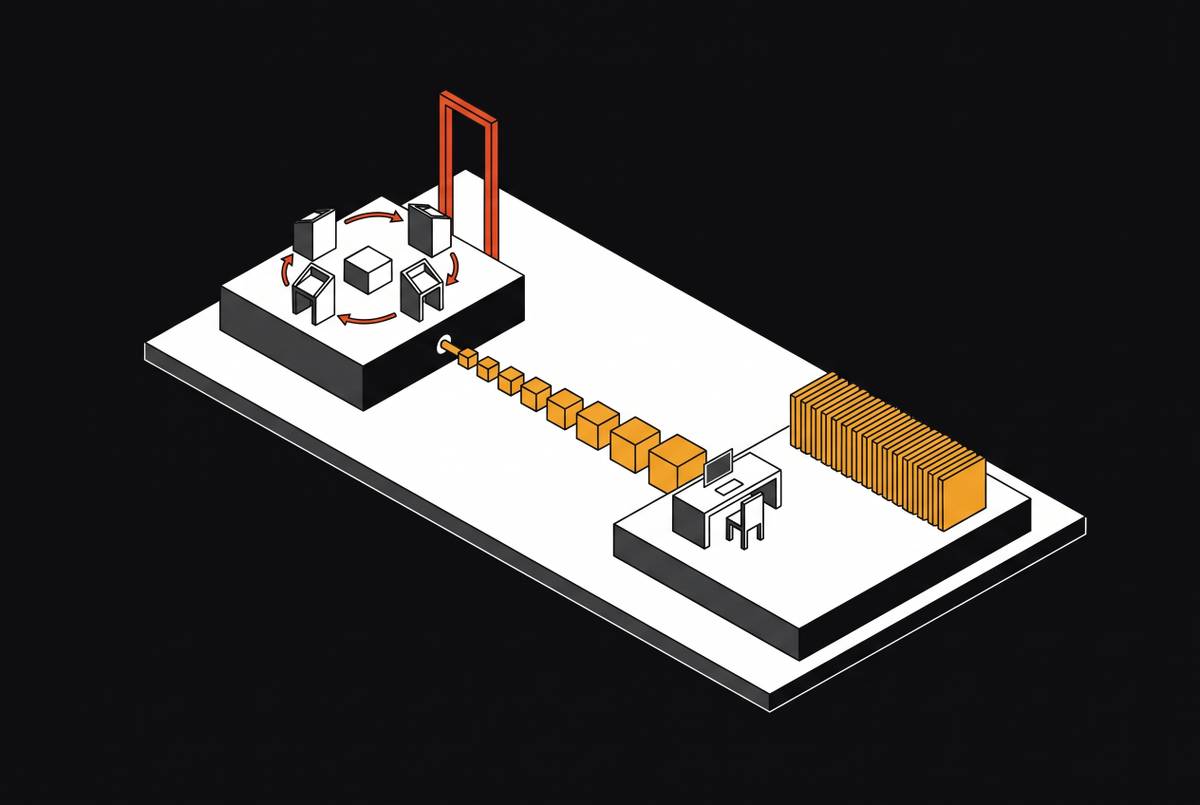
AI debate judges need verdicts readable in seconds, interrogated in minutes, and auditable forever.
Published rubrics expose whether AI judges reason from debate or just match rubric language.
Live verdicts must weigh immediate usefulness over analytical depth within seconds.
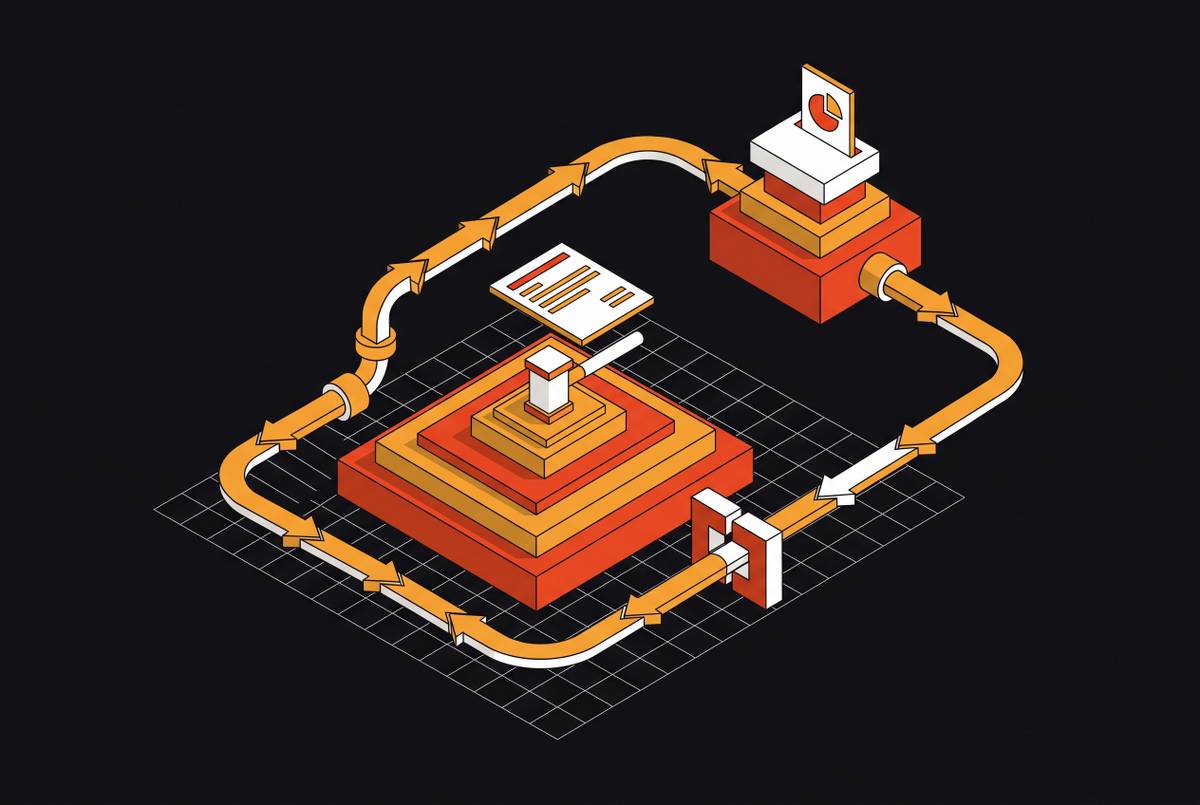
Human reviewers must be able to overturn AI judging decisions based on cited evidence.
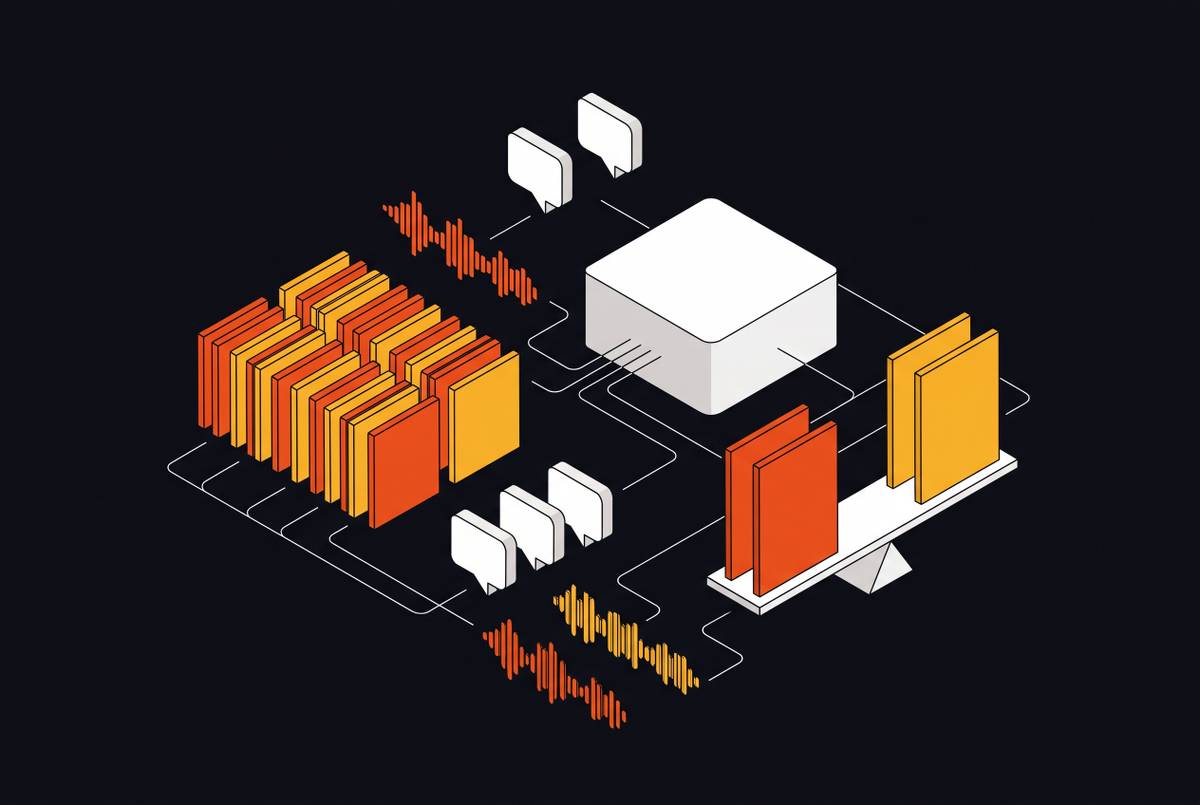
What multi-model agreement really measures and what it misses.
Publishing debate rubrics before rounds lets debaters prepare against known standards.
Spoken arguments need acoustic evaluation, not just transcripts.
Language models generate plausible citations without verifying they exist or support the claim.
Long voice conversations force AI systems to forget instructions and drift in tone.
AI dominates debate preparation but struggles when opponents respond unpredictably.
Smart delivery masks weak arguments until rebuttal forces debaters to defend substance.