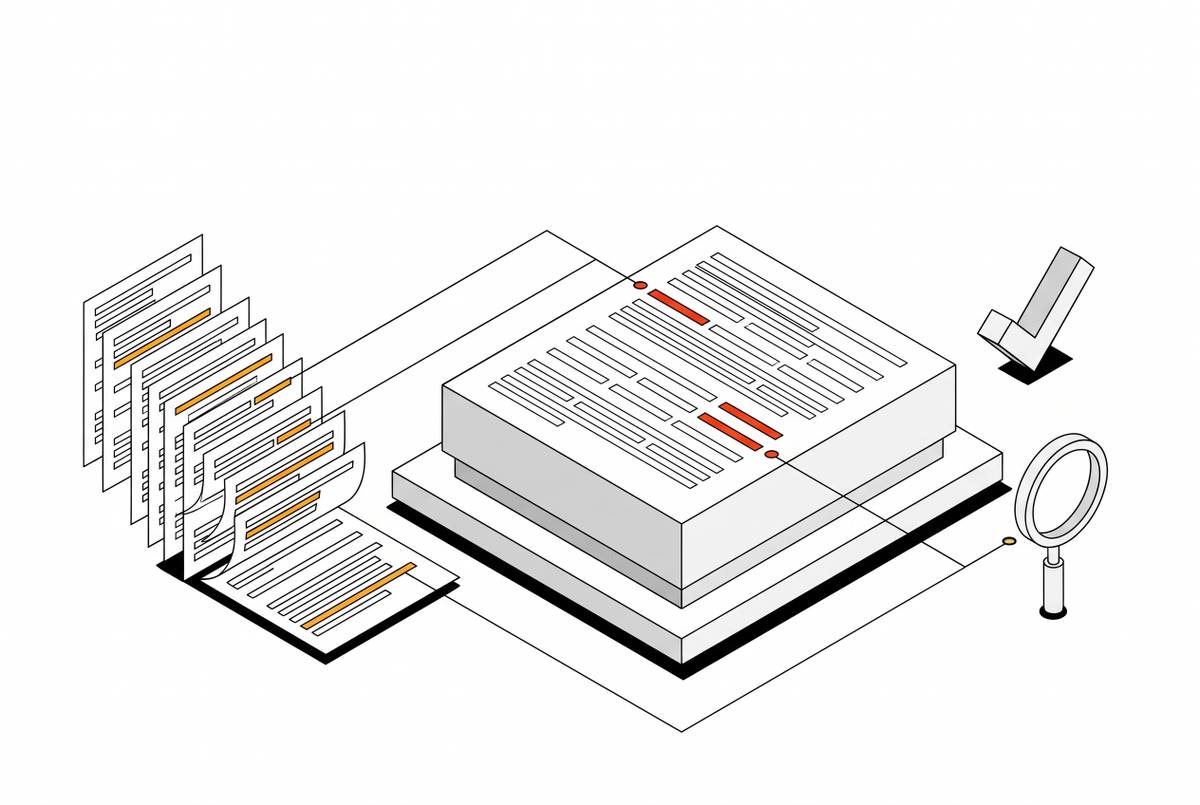
Transcript Citation Requirements in AI Verdict Writing
Verdicts that cite speeches, not impressions, let debaters check the scoring.
Rebuttal Statement Editors
Section
15 stories in AI Judge Architecture.
Verdicts that cite speeches, not impressions, let debaters check the scoring.
Three design choices decide whether an AI debate judge can be trusted.
Five prompt-design choices make AI debate scoring consistent, auditable, and open to challenge.
Separate scores for logic, evidence, and rebuttal make AI verdicts checkable.
Clear rubric design determines whether AI judges produce actionable feedback or inscrutable scores.
Whether an AI judge's confidence means anything depends on what it does when uncertain.
Requiring rubric publication before debate ensures public scrutiny of AI judging standards.
Treating human appeal as foundational design, not cosmetic repair, builds systems people trust.
AI judges optimized for secrecy fail when debaters study the rubric beforehand.
AI debate judges need verdicts readable in seconds, interrogated in minutes, and auditable forever.
Published rubrics expose whether AI judges reason from debate or just match rubric language.
Live verdicts must weigh immediate usefulness over analytical depth within seconds.
Human reviewers must be able to overturn AI judging decisions based on cited evidence.
What multi-model agreement really measures and what it misses.
Publishing debate rubrics before rounds lets debaters prepare against known standards.