Spoken Argument Skills
Switching Sides Mid-Round to Expose the Arguments You Never Bothered to Stress-Test
Arguing both sides aloud reveals which of your premises collapse.
Rebuttal Statement Editors
· 8 min read
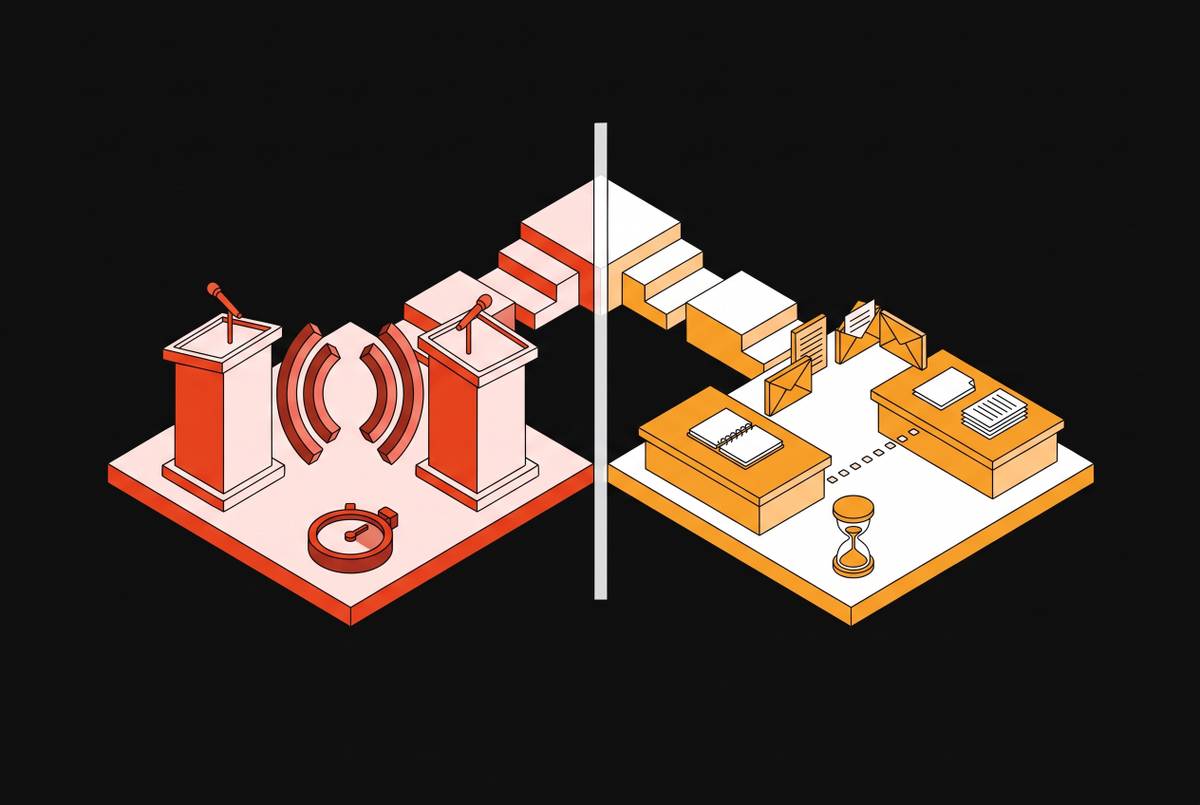
Written debate builds the case; live voice tests whether it holds.
Timed solo drills and transparent feedback make spare minutes count.
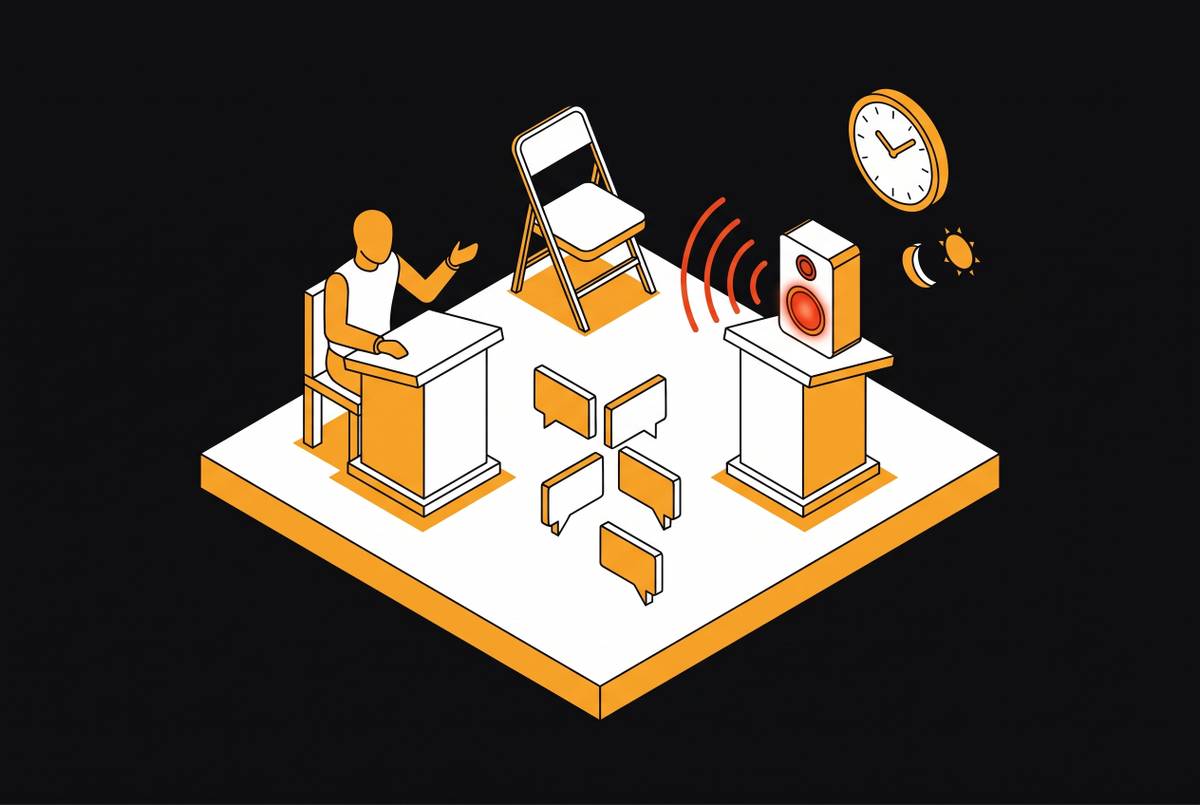
An AI opponent gives debaters daily judged reps, not a substitute for human rounds.
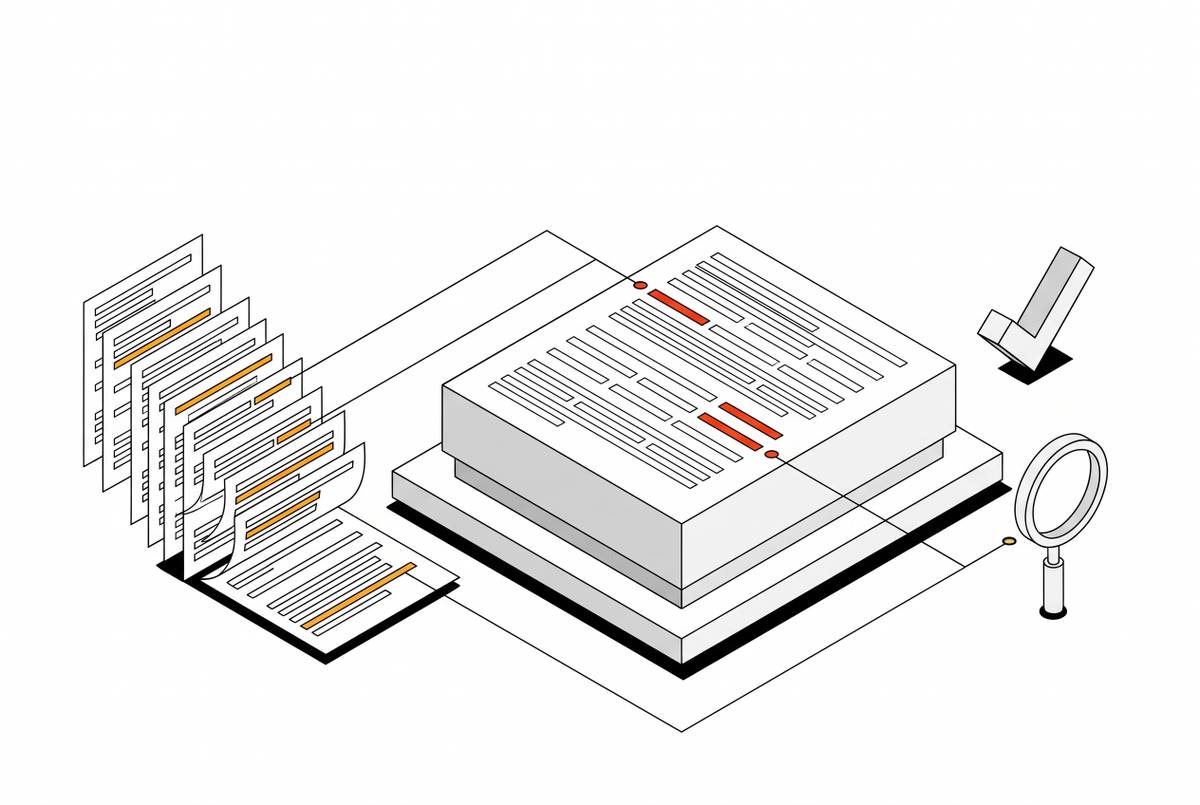
Verdicts that cite speeches, not impressions, let debaters check the scoring.
Three design choices decide whether an AI debate judge can be trusted.
Five prompt-design choices make AI debate scoring consistent, auditable, and open to challenge.
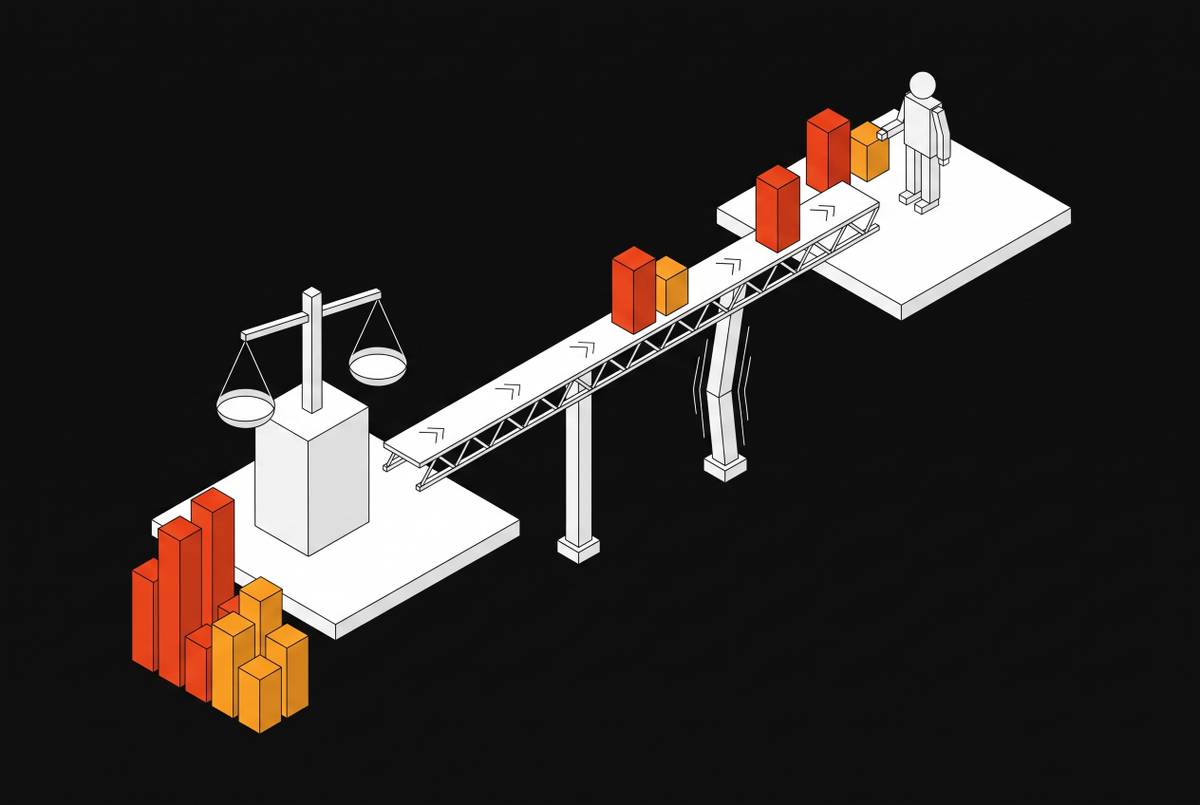
Separate scores for logic, evidence, and rebuttal make AI verdicts checkable.
Clear rubric design determines whether AI judges produce actionable feedback or inscrutable scores.
Whether an AI judge's confidence means anything depends on what it does when uncertain.
Requiring rubric publication before debate ensures public scrutiny of AI judging standards.
Treating human appeal as foundational design, not cosmetic repair, builds systems people trust.